

In the age of smartphones and hyper-connected social media platforms, it takes only seconds for a private moment to become a global spectacle. Recently, a controversial viral incident tied to search terms like “Jayhawk Cafe bathroom” and “Kansas bar girl Journey Price” has captured widespread online attention. What began as a clip allegedly filmed inside a bar restroom quickly spiraled into a digital wildfire, spreading across group chats, TikTok, X (formerly Twitter), and Reddit.
While the internet often treats such moments as entertainment, this incident highlights deeper issues surrounding privacy, consent, and the evolving dynamics of relationships in the digital era. Beyond the jokes and memes lies a more complex conversation about how online culture shapes real-world consequences.
Contents
The Viral Incident Explained and Full Video
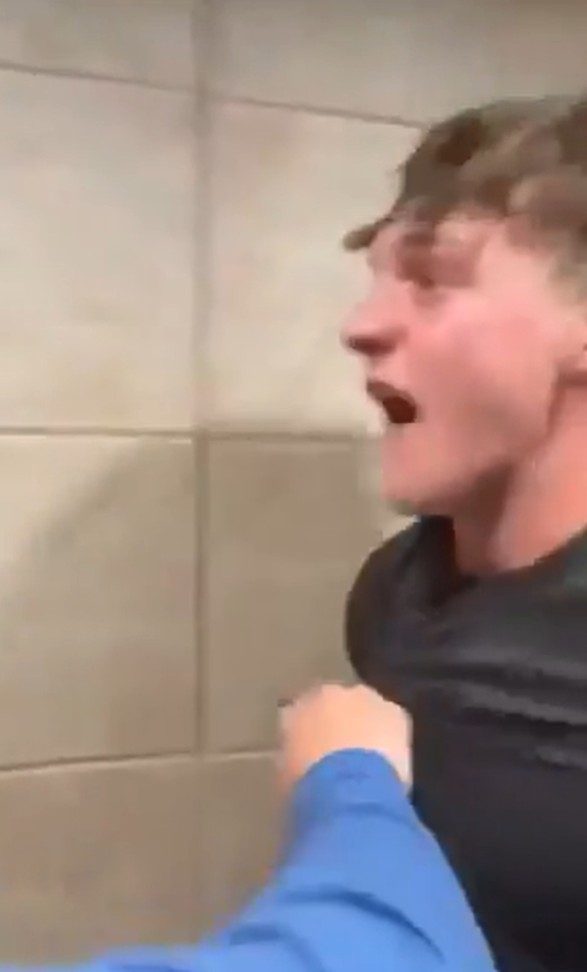
According to circulating claims, the video was recorded inside a restroom at a bar in Kansas, widely believed to be the Jayhawk Cafe. The clip allegedly shows a private encounter that was never meant for public viewing. However, as is increasingly common in nightlife environments, someone recorded the moment and shared it without consent.
Uncensored full video at Jayhawk Cafe bathroom
Once uploaded or distributed in small circles, the footage rapidly escaped containment. Within hours, it was being reposted and reshared, accompanied by sensational captions and search-friendly keywords that fueled its spread.
The role of social media in amplifying the incident cannot be overstated. Platforms like TikTok and Reddit, combined with private group chats, created a perfect storm for virality. Users began referencing the clip through coded language and trending phrases, allowing it to circulate even when platforms attempted moderation.
Memes, jokes, and exaggerated commentary became part of the narrative. Instead of slowing the spread, humor accelerated it. In many cases, users shared the content not out of malice, but for entertainment highlighting how normalized this behavior has become.
Digital Voyeurism and Privacy Concerns
At the heart of this situation lies a critical ethical issue: consent. The individuals involved in the video did not agree to have their private moment recorded or distributed. Yet, thousands if not millions of viewers engaged with the content.
Sharing such material raises serious moral and legal questions. Even when laws are unclear or unenforced, the ethical implications remain significant.
Smartphones have transformed nearly everyone into a potential content creator. In public or semi-private spaces like bars and clubs, the line between observation and intrusion has blurred. Recording others has become almost instinctive, often without considering the consequences.
This normalization creates an environment where privacy is fragile. A single moment captured without permission can define someone’s public identity overnight.
Online Reactions and Internet Culture
One of the most striking aspects of the incident is the tone of online reactions. Many users responded with humor, crafting memes and sarcastic commentary. Phrases joking about the “2026 dating scene” or imagining a partner discovering the video reflect a broader trend of using humor to process shocking content.
However, this humor often masks a deeper issue: desensitization. As audiences are repeatedly exposed to viral scandals, their emotional responses shift. What might have once been seen as deeply invasive is now treated as just another trending topic.
Adding to the controversy are reports that offensive language was used in the clip, further fueling backlash and discussion. This element introduced another layer of debate, as conversations expanded beyond privacy to include issues of respect, accountability, and social norms.
Impact on Individuals Involved
For the individuals allegedly identified in the video, the consequences are severe. Online users often attempt to uncover identities, sometimes correctly but often mistakenly. This can lead to harassment, doxxing, and long-term reputational damage.
Even if the identification is inaccurate, the association with a viral scandal can be difficult to erase. The internet rarely forgets, and digital footprints can follow individuals for years.
A recurring theme in online commentary is the hypothetical or real impact on romantic relationships. Many posts frame the situation from the perspective of a partner discovering the video unexpectedly, often through friends or group chats.
While these reactions are frequently presented humorously, they point to genuine concerns about trust, loyalty, and public humiliation. In a world where private actions can become public instantly, relationships face new and unpredictable challenges.
Modern Dating in the Social Media Era
Incidents like this contribute to a growing sense of anxiety in modern dating. The fear that a partner’s private actions could be exposed or that one’s own behavior could be recorded adds a layer of tension to relationships.
Group chats and social networks play a significant role in this dynamic. Information spreads quickly within social circles, often reaching individuals before they have a chance to process or respond.
The phrase “2026 dating scene” has become shorthand for the chaotic and unpredictable nature of modern relationships. Hookup culture, combined with constant digital surveillance, creates an environment where privacy is increasingly difficult to maintain.
For many, this represents a shift away from traditional notions of intimacy and trust. Relationships are now influenced not only by personal interactions but also by the ever-present possibility of public exposure.
Broader Cultural Implications
A key question raised by this incident is where to draw the line between entertainment and exploitation. While viral content often thrives on shock value, it is important to consider the human cost behind each clip.
Viewers play a role in this ecosystem. By engaging with and sharing such content, they contribute to its spread, regardless of their intentions.
Another defining feature of the digital age is the speed at which narratives form. Within hours, users create stories, assign blame, and draw conclusions often without full context.
This rapid judgment can have lasting consequences. Once a narrative takes hold, it is difficult to change, even if new information emerges.
Legal and Platform Responsibility
Social media platforms face significant challenges in moderating content like this. Even when videos are removed, copies often reappear elsewhere. The decentralized nature of the internet makes complete removal nearly impossible.
Algorithms designed to promote engaging content can unintentionally amplify harmful material, further complicating the issue.
Depending on the jurisdiction, those who record or distribute such content may face legal repercussions. Laws related to privacy, harassment, and non-consensual sharing are evolving, but enforcement remains inconsistent.
For users, the risk is real. What might seem like a harmless share can carry serious consequences.
The viral “Jayhawk Cafe bathroom” incident is more than just another fleeting internet trend. It serves as a powerful reminder of how quickly private moments can become public and how deeply online culture influences real-world lives.
Behind the memes and jokes are individuals facing potentially life-altering consequences. As digital platforms continue to shape how we communicate and interact, the need for empathy, responsibility, and awareness has never been greater.
Ultimately, the incident challenges us to reflect on our own behavior online. In a world where every click, share, and comment contributes to a larger narrative, the question is not just what we consume but what we choose to amplify.