

A political firestorm has erupted following serious sexual assault allegations against Congressman Eric Swalwell, placing the California Democrat at the center of a rapidly escalating controversy. The accusations, first reported by the San Francisco Chronicle and later expanded upon by CNN, have triggered intense public scrutiny, political fallout, and renewed debate over accountability in positions of power.
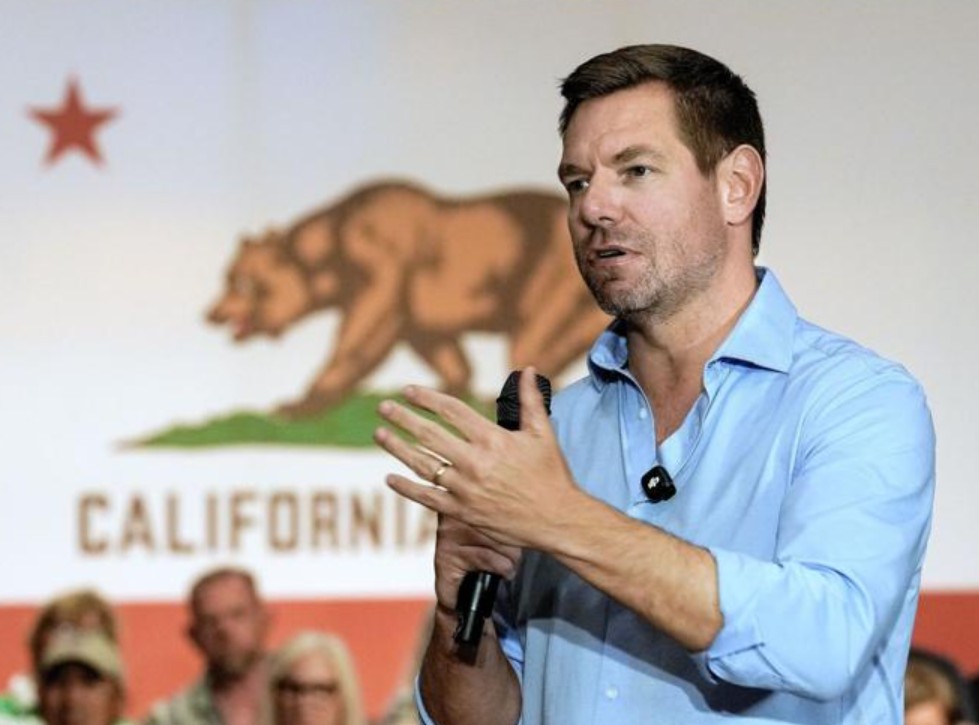
Swalwell has responded forcefully, issuing a categorical denial in a pre-recorded video released on social media Friday evening. However, his refusal to take questions and the emergence of additional accusers have only deepened the controversy, leaving many questions unanswered.
Contents
A Firm and Video
In his video statement, Swalwell did not hedge his words. Instead, he delivered a direct and emphatic rejection of the allegations.
Eric Swalwell Full Video
“These allegations of sexual assault are flat false,” he said. “They’re absolutely false. They did not happen; they have never happened, and I will fight them with everything that I have.”
The congressman also sought to reinforce his credibility by pointing to his long record of public service. Over the course of more than two decades, Swalwell has served as a city councilman, a federal prosecutor, and a member of Congress. He emphasized his work advocating for victims, particularly survivors of sexual assault, as central to his identity.
“For over 20 years I have served the public… as a prosecutor who went to court on behalf of victims, particularly on behalf of sexual assault victims,” he stated. “That’s who I am and have always been.”
Despite the strong denial, critics have noted that the statement was delivered via a pre-recorded video rather than a live press conference. Swalwell has not made himself available for questioning, a decision that has drawn criticism from both political opponents and some members of the public.
The Initial Allegation
The controversy began when an anonymous woman came forward in an interview with the San Francisco Chronicle. The woman, identified as a former staffer, alleged that she had multiple sexual encounters with Swalwell during a period when he was her boss.
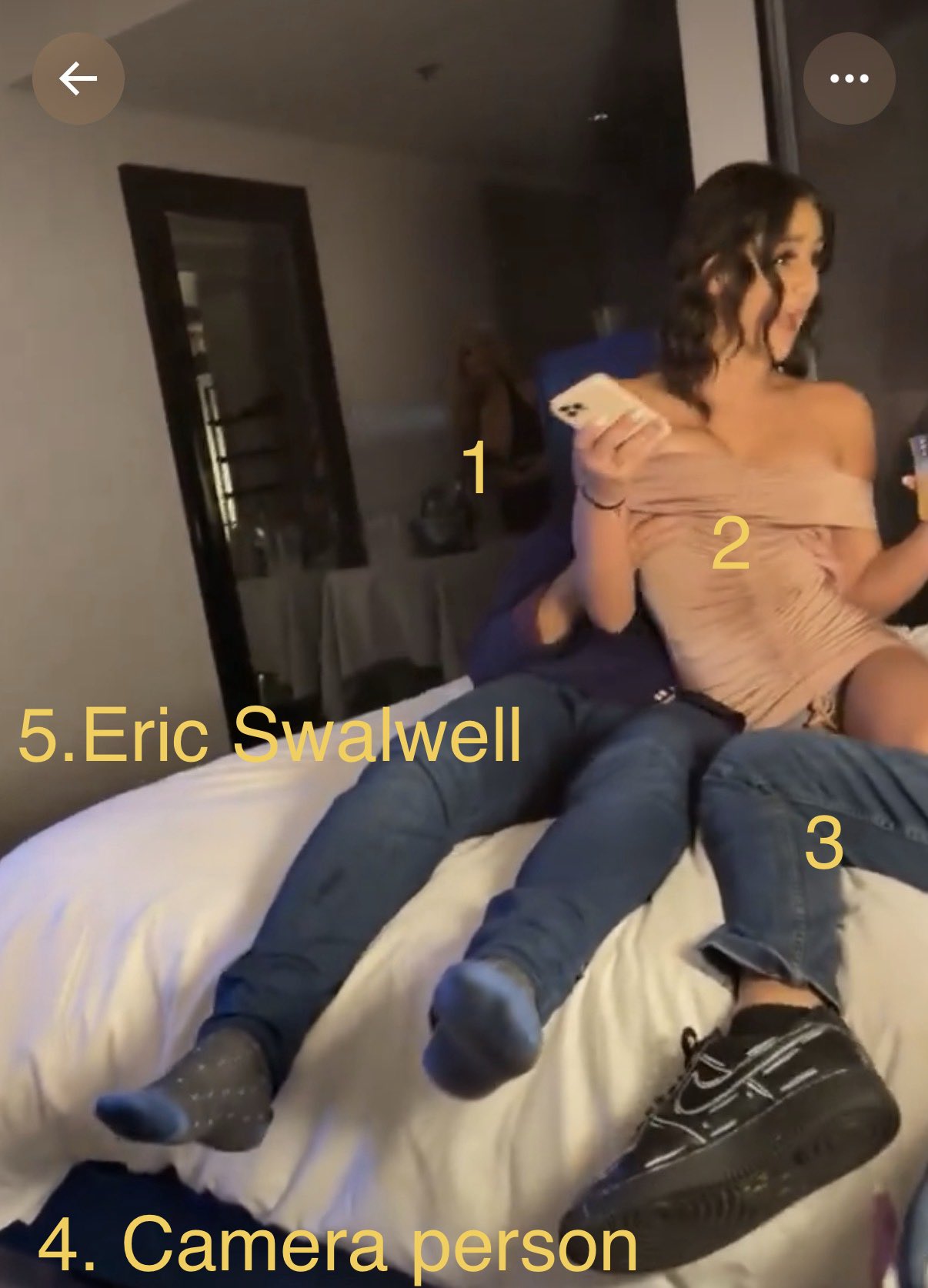
According to her account, at least two of these encounters occurred when she was too intoxicated to give meaningful consent. The allegation raises serious concerns not only about consent but also about the dynamics of power within professional relationships.
The accuser chose to remain anonymous, a decision that is not uncommon in cases involving alleged sexual misconduct, particularly when there is a significant power imbalance between the parties involved. Nevertheless, anonymity has also complicated public discourse, with supporters of Swalwell questioning the credibility of claims made without a named source.
Additional Accusers Come Forward
The situation intensified when CNN reported that three more women had come forward with allegations of sexual assault involving Swalwell. While details about these additional claims remain limited, the report suggests a potential pattern that has amplified the seriousness of the situation.
The emergence of multiple accusers often shifts public perception in such cases, as it raises the possibility that the allegations are not isolated incidents. For Swalwell, the CNN report marked a turning point, transforming a single accusation into a broader controversy with national implications.
At this stage, none of the allegations have been proven in court, and no formal charges have been announced. However, the growing number of claims has significantly increased pressure on the congressman.
Political Fallout and Loss of Support
As the allegations gained traction, the political consequences for Swalwell became increasingly apparent. Several supporters have reportedly withdrawn their endorsements, signaling a shift in confidence within his political base.
More notably, some political figures and commentators have called on Swalwell to step down not only from his congressional seat but also from his campaign for governor. These calls reflect a broader trend in modern politics, where allegations of misconduct can rapidly erode support, even before formal investigations are concluded.
For a politician with ambitions beyond Congress, the timing of the allegations could prove particularly damaging. Campaigns rely heavily on public trust and momentum, both of which are difficult to maintain amid controversy.
Media Coverage and Public Reaction
Media outlets have played a central role in shaping the narrative surrounding the allegations. The San Francisco Chronicle broke the initial story, while CNN expanded the scope with its report on additional accusers. Together, these reports have ensured that the controversy remains in the national spotlight.
Public reaction has been sharply divided. Supporters of Swalwell argue that he deserves the presumption of innocence and caution against rushing to judgment based on unproven allegations. Critics, on the other hand, emphasize the seriousness of the claims and argue that public officials must be held to the highest standards of conduct.
Social media has further amplified the debate, with users on both sides sharing opinions, dissecting statements, and calling for action. The rapid spread of information and misinformation has made it increasingly difficult to separate verified facts from speculation.
Legal and Ethical Questions
The allegations raise complex legal and ethical issues. Legally, Swalwell is presumed innocent unless proven guilty in a court of law. This principle remains a cornerstone of the justice system and is particularly important in high-profile cases where public opinion can be swift and unforgiving.
At the same time, the ethical questions surrounding the allegations are significant. Relationships between supervisors and subordinates are often subject to strict scrutiny, especially when questions of consent arise. Even in the absence of criminal wrongdoing, such relationships can violate workplace norms and erode trust.
There is also the possibility of formal investigations. Depending on the circumstances, inquiries could be conducted by law enforcement, congressional ethics committees, or other bodies. As of now, it remains unclear whether any such investigations are underway.
Unanswered Questions and Uncertain Future
Despite the intense attention, many key questions remain unanswered. Why has Swalwell chosen not to address the allegations in a live setting? Will the accusers come forward publicly, or remain anonymous? Are there additional individuals who may yet speak out?
Perhaps most importantly, it is unclear how the situation will ultimately be resolved. Without formal legal proceedings or a comprehensive investigation, the case may remain in a state of uncertainty, leaving both supporters and critics without definitive answers.
The allegations against Eric Swalwell represent a significant and evolving political controversy. His firm denial, combined with his record of public service, has formed the basis of his defense. However, the growing number of accusers and the mounting political pressure have created a challenging environment that shows no signs of stabilizing.
As the story continues to develop, it underscores broader issues about power, accountability, and the standards to which public officials are held. Whether the allegations are ultimately substantiated or not, the impact on Swalwell’s career and on public trust in political institutions may be profound and lasting.
For now, the situation remains unresolved, with the nation watching closely as new details emerge and the next chapter of this controversy unfolds.